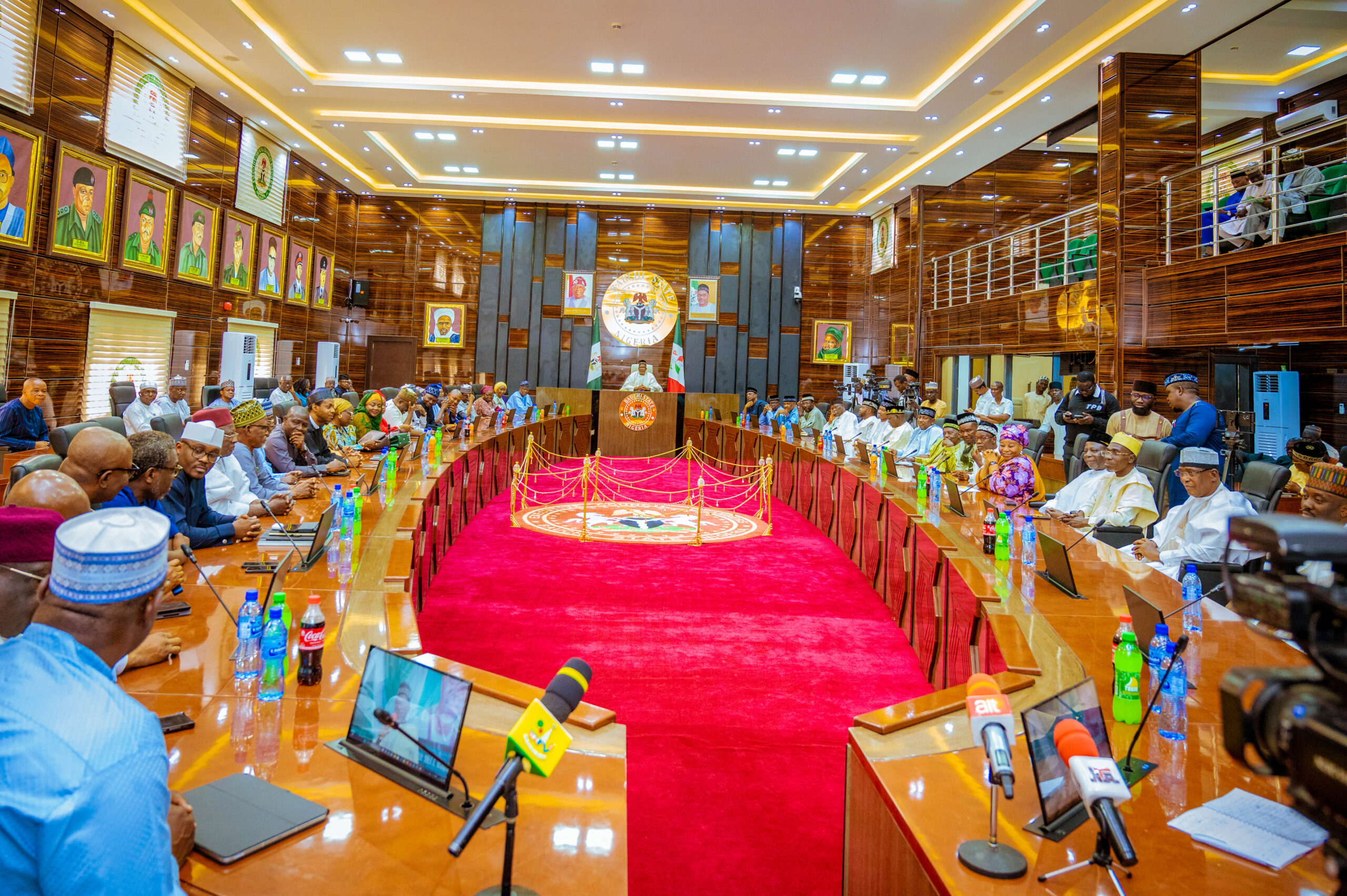
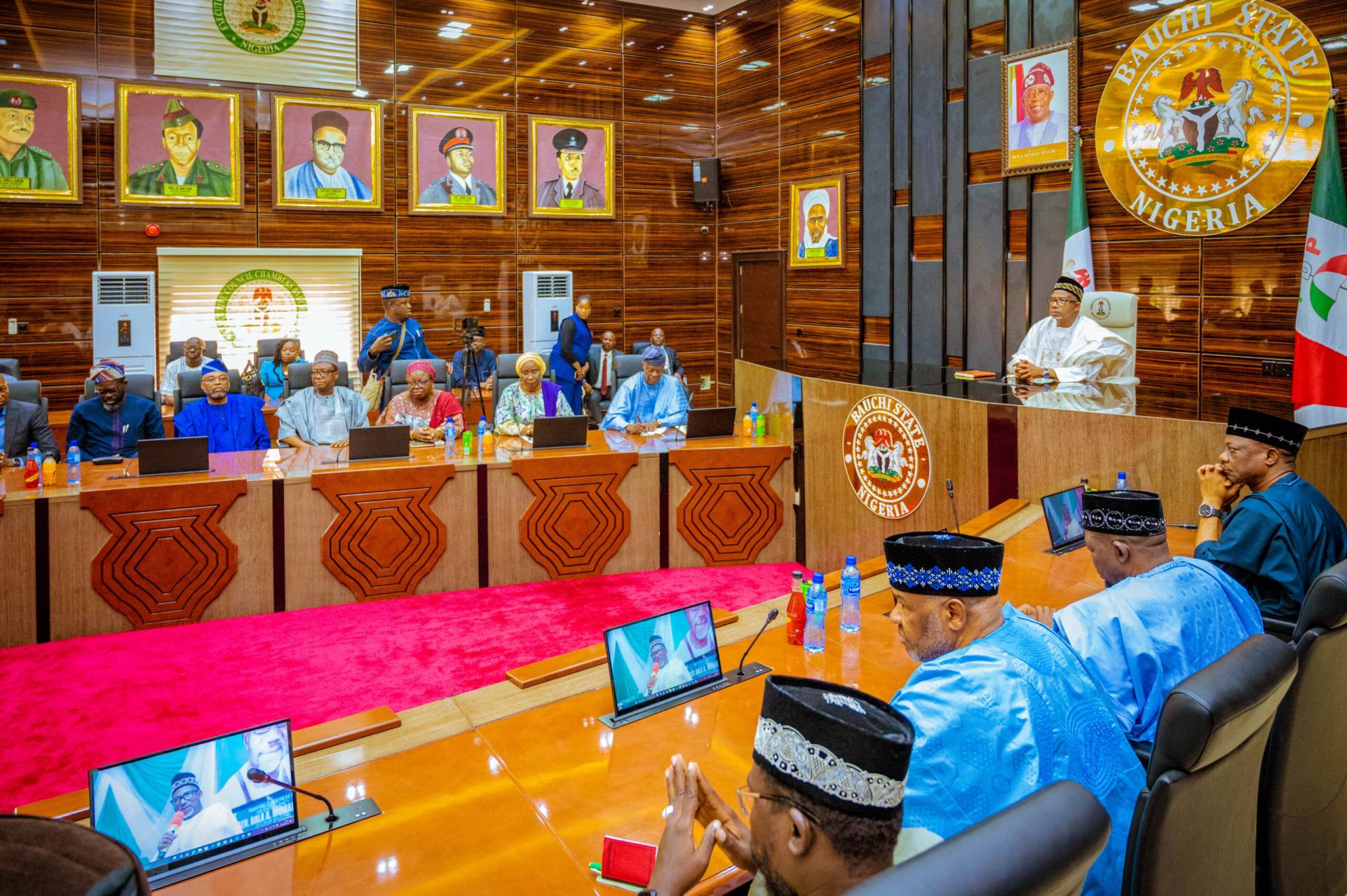
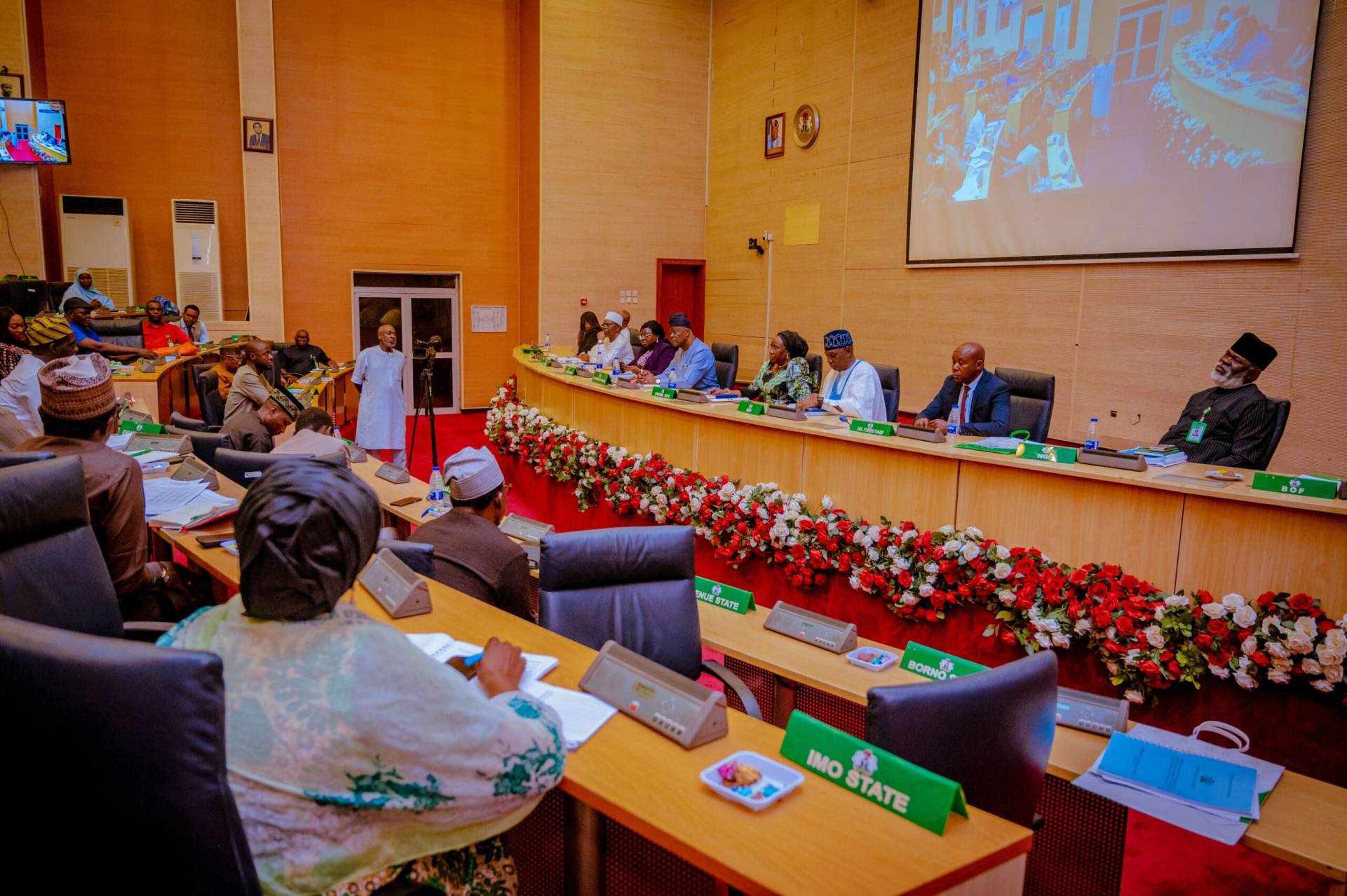
Forum of State Commissioners of Finance: Enabling Fiscal Discipline, Macroeconomic Stability and Growth across Nigeria’s 36 States.
Join
Our Events
and innovators

Empowering financial
leadership
leadership and collaboration


Latest News
Benue PDP, APC At War Over Accountability In FAAC Utilisation - AIT LIVE ...
Benue PDP, APC At War Over Accountability In FAAC Utilisation AIT LIVE...
More News
NNPC differs with FAAC over July crude supply ...
NNPC differs with FAAC over July crude supply as report records zero domestic sale TheCable...
NNPC Retail Commissions Mega Station In Kano ...
PICTURES OF THE EVENTA side view of the new NNPC Ltd Mega Station in Kano State. The Kano State Governor, Dr....
Financial News
Press Release ...
We Have 1.8bn Litres of PMS for Feb, March ---NNPC Limited...Grows March 2023 Sufficiency to 42 days In its concerted efforts to sustain the supply of petroleum products nationwide, the NNPC Limited has emplaced a robust plan for the supply of Premium Motor Spirit (PMS), also known as petrol), from mid-February...
NNPC Limited Disclosures ...
NNPC Limited DisclosuresNNPC Limited disclosures in open data format from January 1st, 2023 can be assessed below. 2023 January 2023 GAS PRODUCTION AND UTILIZATION DATA (PROVISIONAL) JANUARY, 2023 February 2023 GAS PRODUCTION AND UTILIZATION DATA (PROVISIONAL) FEBRUARY, 2023 NNPC Limited disclosures in open data format from July 1st, 2022 can...
Overview Of The FSCF, Ng
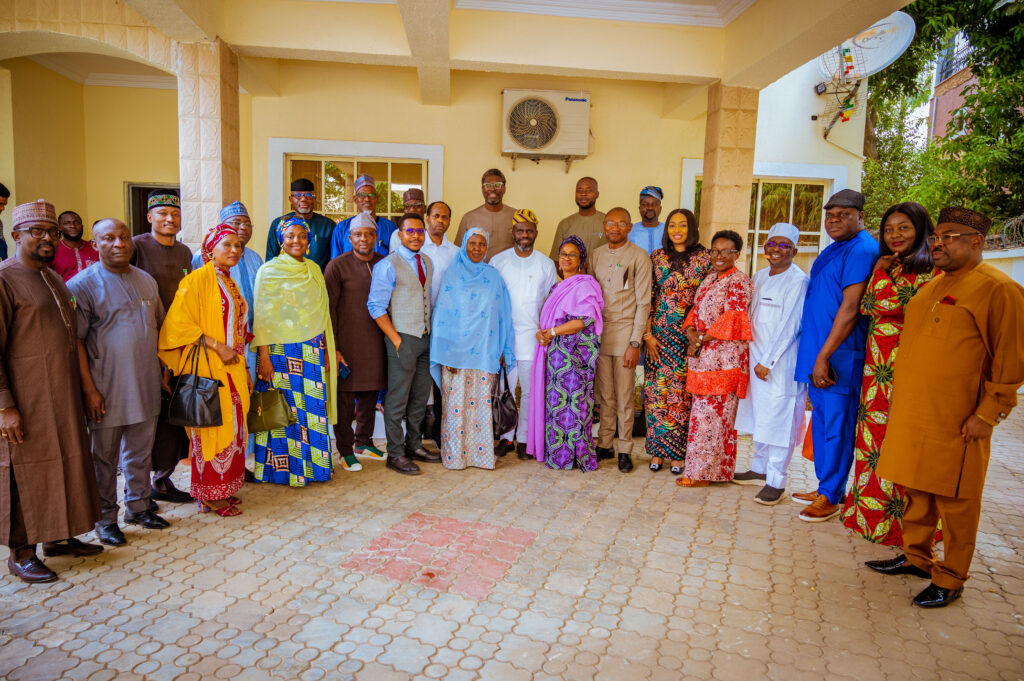
The Forum of Commissioners of Finance in Nigeria is a collaborative platform for finance commissioners to address national and state financial challenges. Led by a Chairman, it focuses on budget formulation, revenue mobilization, debt management, and economic diversification. The forum works closely with the Nigerian Governors Forum (NGF) and federal agencies like the EFCC, promoting financial accountability and investment. While fostering dialogue and sharing best practices, it has advanced financial management practices despite ongoing challenges.


Innovation Spotlight
Yobe State Allocates Over N108 Billion to Social Sector Development ...
The Yobe State Government has reaffirmed its commitment to improving the lives of its citizens through significant investments in the...
Read MoreN400 Million Business Grants Given to 800 Akwa Ibom Entrepreneurs. ...
A total of N400 million Naira in business grants has been allocated to 800 Akwa Ibom entrepreneurs....
Read MoreAdamawa State Hands Over Hospitals to Federal Medical Centres to ...
In a significant development for healthcare delivery in Adamawa State and the Northeast region, the state government officially handed over...
Read MoreEkiti Records Major Improvement In Health Indices Released By NDHS ...
…as neonatal, infant, and under 5 mortality drop by more than 50 per cent. Ekiti State has recorded significant improvements...
Read MoreFrequently Asked Questions
The Forum Of State Commissioners For Finance Of Nigeria (FSCFN) is a non-partisan body comprising the Finance Commissioners of all 36 states in Nigeria. The forum serves as a platform for ensuring fiscal discipline, discussion, coordination, and the exchange of ideas on financial matters affecting the states and the nation as a whole. FSCFN aims to enhance the fiscal policies of each state, ensuring alignment with national economic goals.
The primary objectives of FSCFN include:
- Facilitating dialogue and collaboration among state Finance Commissioners,
- Foster collaboration between the 36 states, in a bid to influence the decisions of the Federation Account Allocation Committee (FAAC)
- Promoting best practices in public financial management across the states.
- Advising on and contributing to national fiscal policies.
- Coordinating efforts to address common financial challenges faced by states.
- Enhancing transparency and accountability in the management of state resources.
Forum Of State Commissioners For Finance Of Nigeria meets monthly. These meetings provide an opportunity for commissioners to discuss current financial issues, share insights, and develop strategies for addressing economic challenges at both the state and national levels. Additional meetings may be convened as needed to address urgent matters.
Membership in FSCFN provides several benefits, including:
- Access to a network of financial experts from all states.
- Opportunities to share and adopt best practices in public financial management.
- Collaborative problem-solving on issues that affect multiple states.
- A collective voice in national financial policy discussions.
- Training and capacity-building programs for state finance personnel.
FSCFN engages with the Federal Government through regular consultations and dialogue on fiscal policies and matters affecting the states. The forum provides input on federal fiscal decisions, ensuring that state interests are considered. Additionally, FSCFN works closely with federal agencies to implement and monitor national financial policies at the state level.